

Fire-Damaged Materials Are Removed and Replaced Through a Step-by-Step Recovery Process
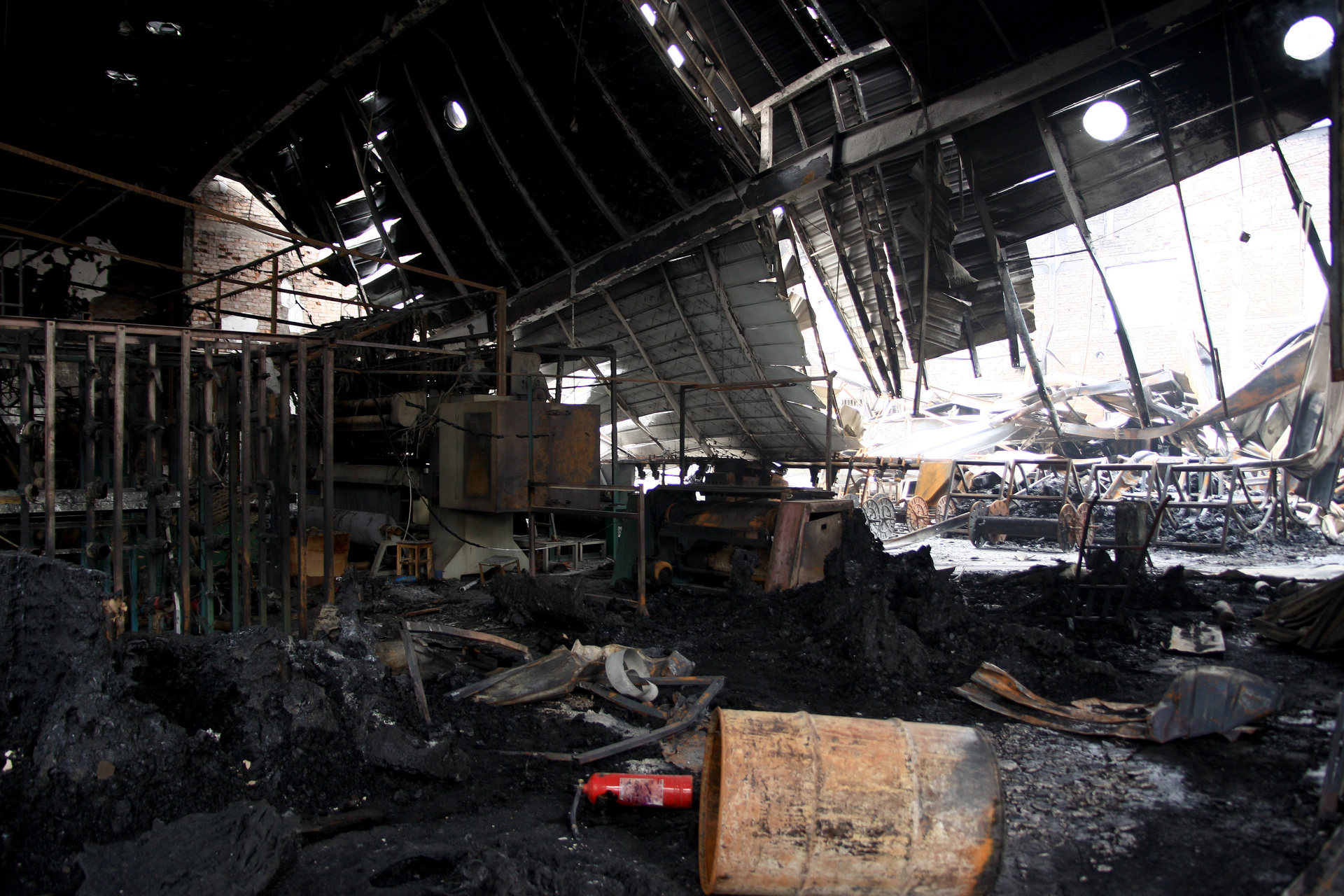

Fire damage is not always limited to what can be seen right away. ”
MANDEVILLE, LA, UNITED STATES, April 24, 2026 /EINPresswire.com/ -- Fire damage can leave a property in a condition that feels overwhelming, especially for those dealing with the aftermath for the first time. The process of removing and replacing damaged materials follows a structured path designed to restore safety and prepare the space for rebuilding.— Chuck Gilpin
After a fire, the first step is always assessment. This involves identifying which materials can be saved and which must be removed. Fire does not affect everything the same way. Some areas may show visible damage, while others may be affected by heat, smoke, or water used during firefighting efforts.
Structural elements are evaluated early in the process. Walls, ceilings, and flooring are checked for stability. If these components are weakened, they are typically removed to prevent further risk. Safety remains the main concern at this stage.
Chuck Gilpin, president of Gulf States Coast Guard in Mandeville, Louisiana, described the early stage as focused on understanding the full scope of damage. “Fire damage is not always limited to what can be seen right away. Heat and smoke can travel, and that affects materials beyond the immediate area.”
Once the inspection is complete, the removal process begins. Damaged materials such as drywall, insulation, and flooring are carefully taken out. This step is often called demolition, but it is controlled and targeted rather than random. The goal is to remove only what is necessary while protecting anything that can remain.
Smoke damage plays a big role in what gets removed. Even if a material looks intact, smoke can leave behind odor and residue that is difficult to eliminate. Porous materials like insulation and fabric tend to absorb smoke and are usually removed. Non-porous materials may be cleaned and restored instead.
Water damage is also part of the equation. Firefighting efforts often leave behind moisture that can affect materials over time. Wet drywall, wood, and flooring may need to be removed to prevent mold growth and further deterioration.
Containment is used during removal to keep debris and contaminants from spreading to unaffected areas. Barriers and ventilation systems help control dust, smoke particles, and other materials released during the process. This keeps the rest of the property from being impacted.
Debris removal follows demolition. All damaged materials are cleared from the site, making space for the next phase. This step is important for both safety and efficiency. A clean workspace allows for better inspection and preparation for rebuilding.
Cleaning comes next. Surfaces that remain are treated to remove soot, smoke residue, and odor. Specialized cleaning methods may be used depending on the level of damage. This step helps create a stable environment before new materials are introduced.
Odor control is often part of the cleaning process. Smoke odors can linger if not properly addressed. Air filtration, deodorization techniques, and cleaning agents are used to reduce and eliminate these smells.
After cleaning, the replacement phase begins. This is where new materials are installed to rebuild the affected areas. Drywall, insulation, flooring, and other components are replaced based on the original structure or updated plans.
Framing and structural repairs are completed first if needed. Once the framework is secure, interior materials are installed. This includes walls, ceilings, and finishes that bring the space back to a usable condition.
Electrical and mechanical systems may also require attention. Wiring, HVAC components, and plumbing can be affected by heat and smoke. These systems are inspected and repaired or replaced as necessary before final construction steps are completed.
Finishing work follows installation. Painting, flooring finishes, and trim are added to complete the restoration. At this stage, the property begins to resemble its original condition.
“Removal and replacement follow a sequence that allows each step to support the next,” Gilpin added. “Skipping steps or rushing the process can lead to problems later. Each phase builds on the one before it.”
Documentation is often maintained throughout the process. This includes records of damage, removal, and replacement. These records can be used for insurance purposes and future reference.
The timeline for removal and replacement varies depending on the extent of the damage. Smaller areas may be completed relatively quickly, while larger projects may take more time. Each situation is different, but the process generally follows the same structure.
Fire recovery involves more than just visible repair. It requires addressing hidden damage, restoring safe conditions, and rebuilding with attention to detail. The removal of damaged materials creates the foundation for everything that follows.
For younger homeowners or first-time property owners, understanding this process can make a difficult situation easier to navigate. Knowing what to expect at each stage helps reduce uncertainty and provides a clearer picture of how recovery moves forward.
By following a structured approach, fire-damaged materials are removed and replaced in a way that supports both safety and long-term use.
Morgan Thomas
Rhino Digital, LLC
+1 504-875-5036
email us here
Visit us on social media:
Facebook
Legal Disclaimer:
EIN Presswire provides this news content "as is" without warranty of any kind. We do not accept any responsibility or liability for the accuracy, content, images, videos, licenses, completeness, legality, or reliability of the information contained in this article. If you have any complaints or copyright issues related to this article, kindly contact the author above.
